Stories, reflections, and thoughts on remembering the things we love
When an heirloom is destroyed by disaster, the grief is compounded by the suddenness. Here's how to preserve memory when the object itself is gone.
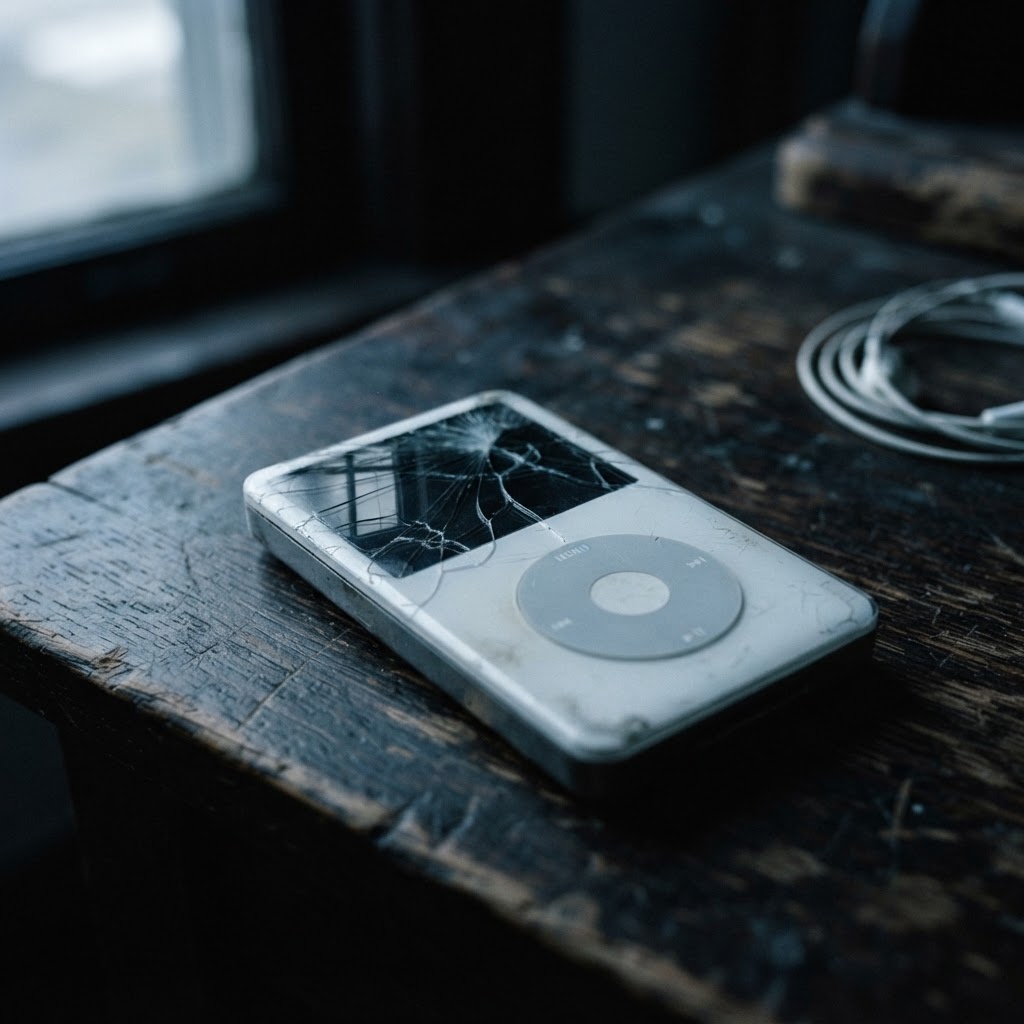
When a phone, iPod, or hard drive dies, it can take our memories with it. Here's why grieving a device is grieving more than the machine.
When a cherished object is gone, a small ritual can help. Here are practical, gentle ways to memorialize a lost or broken thing and let it rest.
Crying over a broken mug is not an overreaction. The psychology of everyday attachment explains why ordinary objects can hold extraordinary meaning.
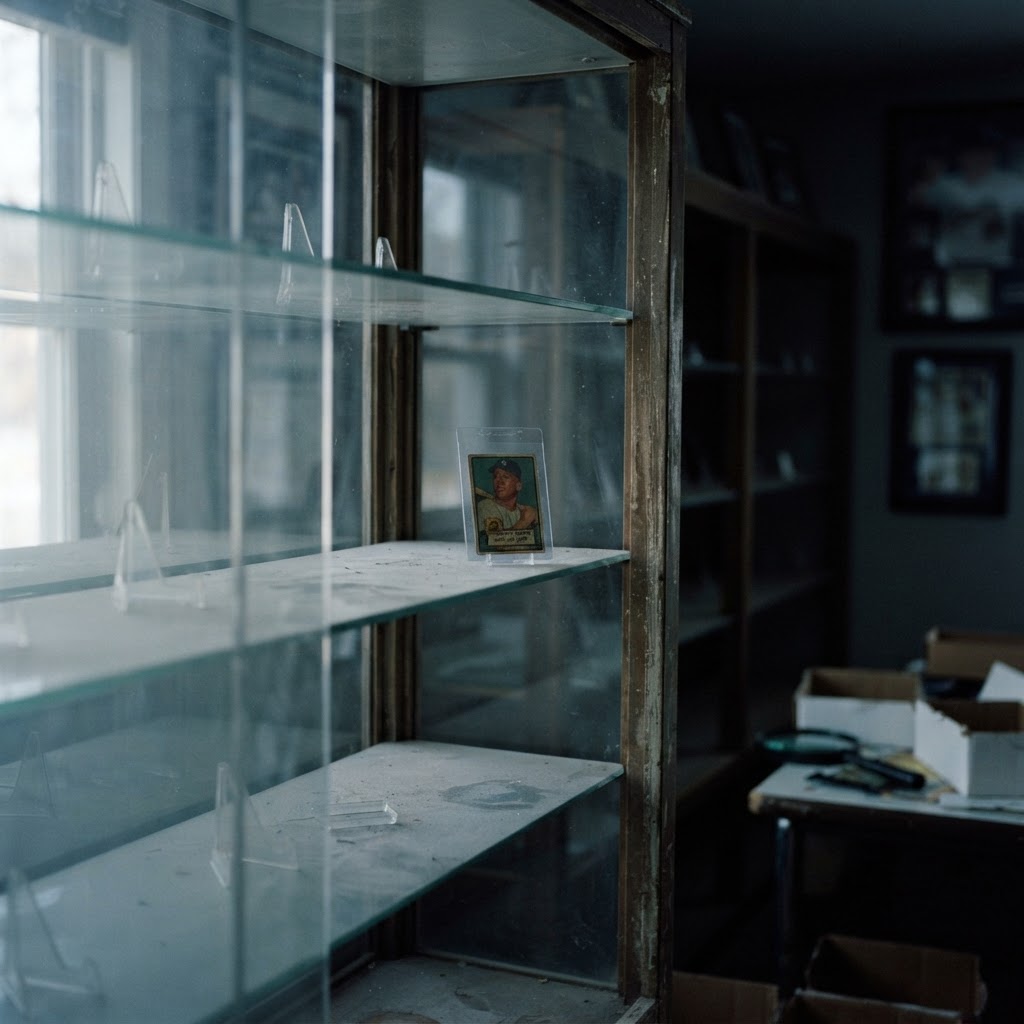
Losing a collection isn't just losing objects — it's losing years of patience, attention, and order. Here's why collection loss is a particular kind of grief.
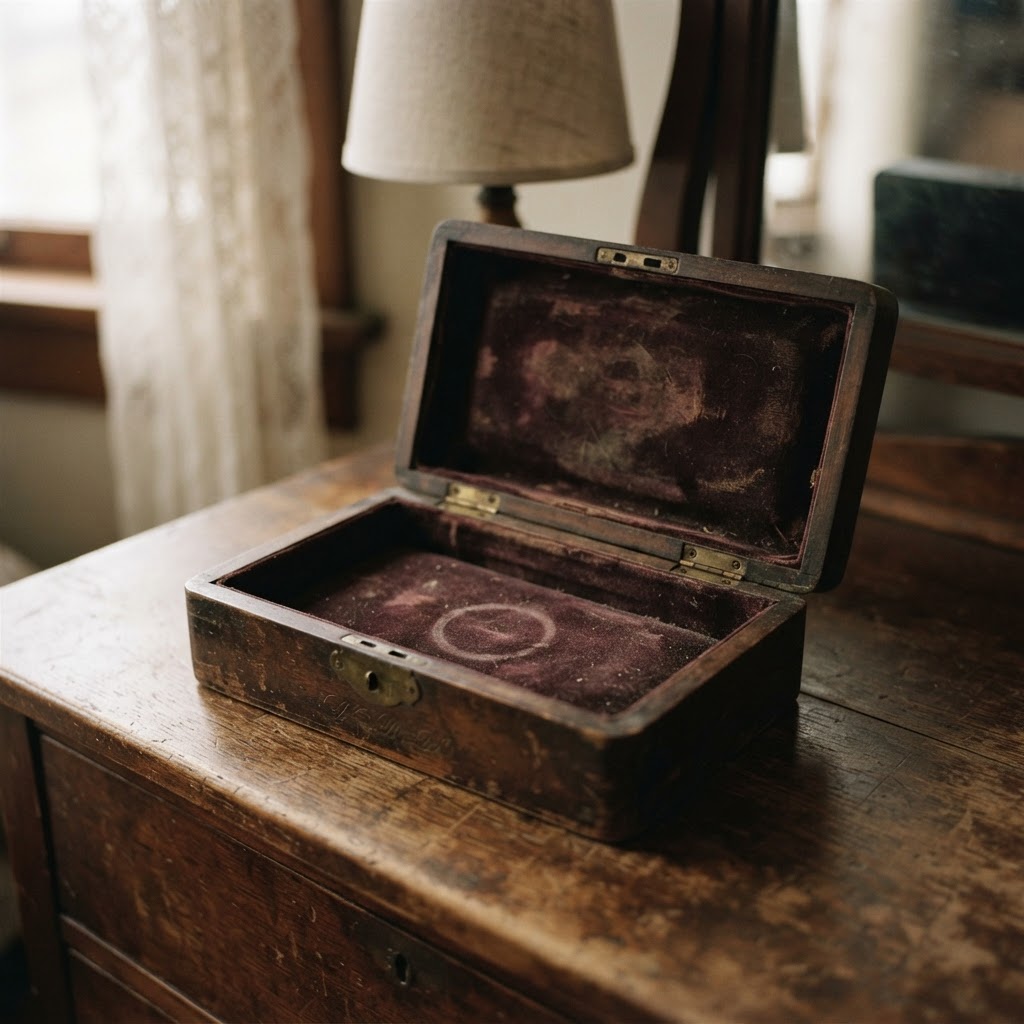
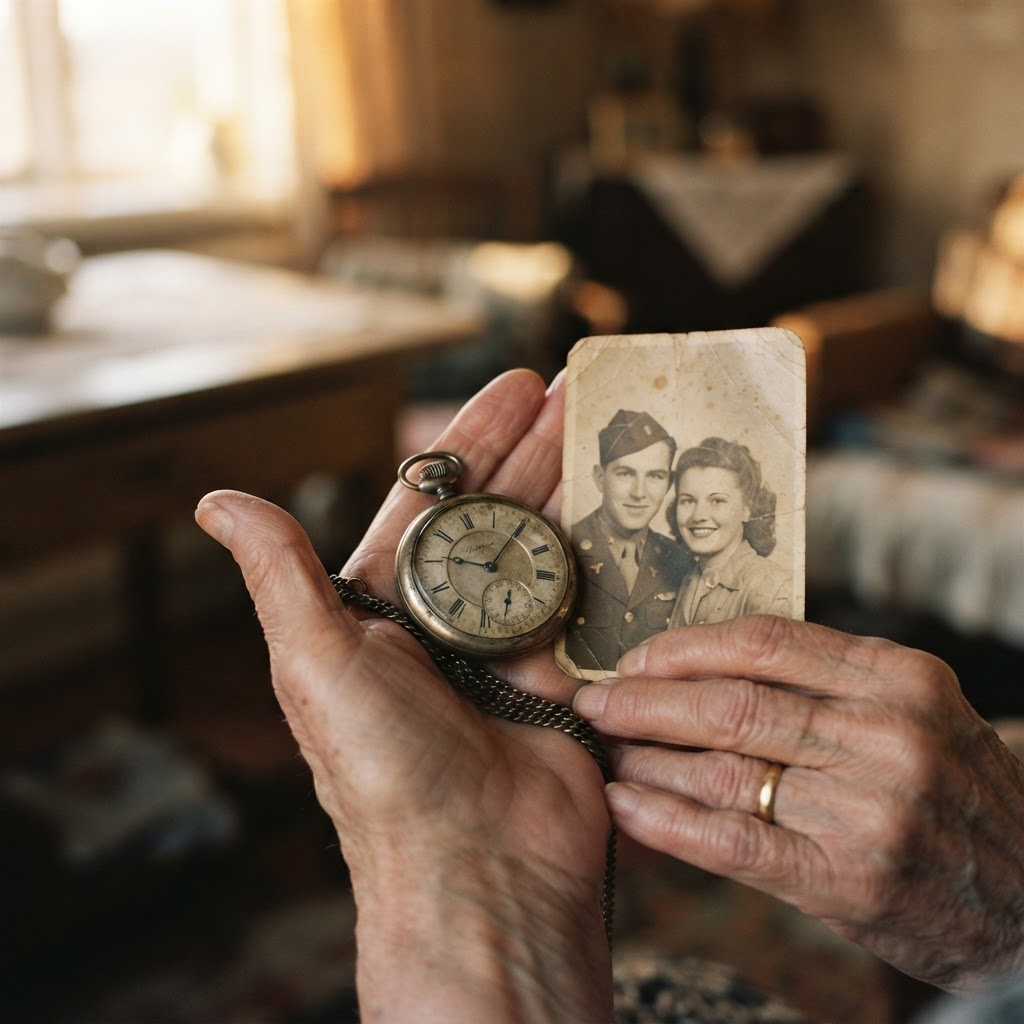
Losing a family heirloom can feel like losing a piece of the person it belonged to. Here's a gentle, practical guide for what to do next.
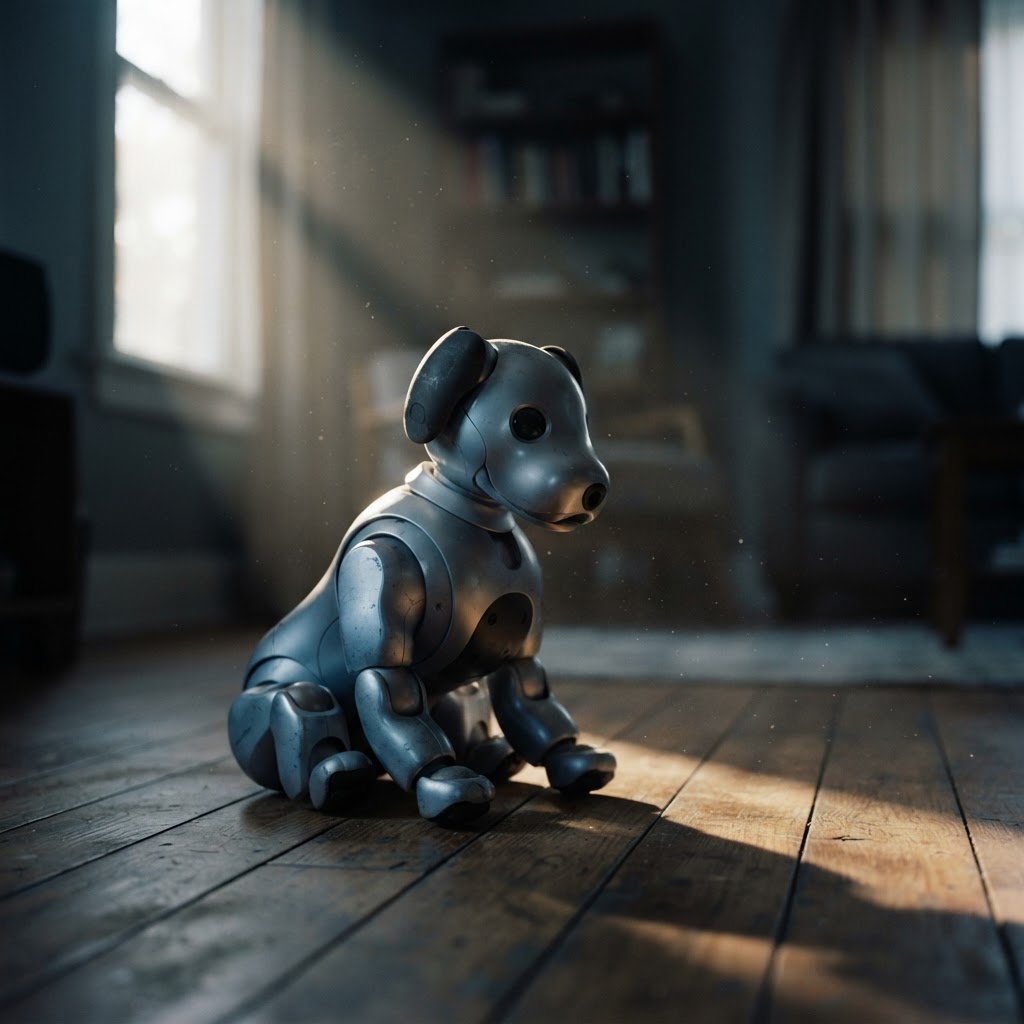
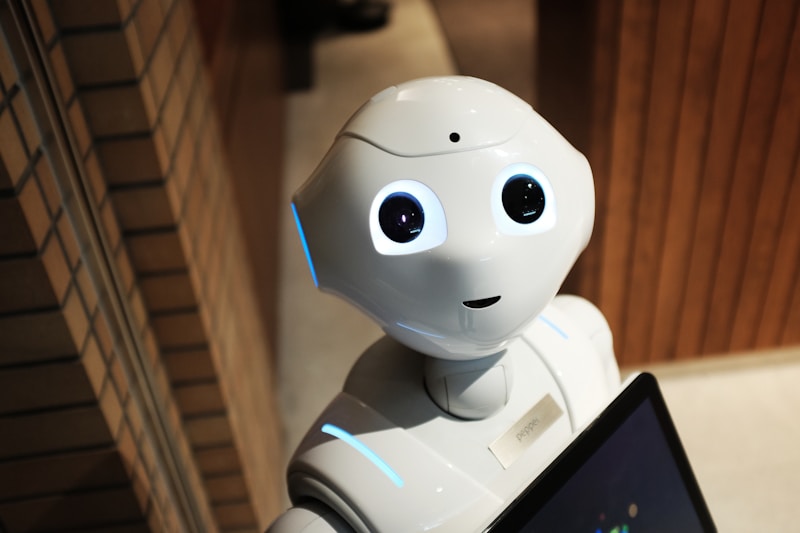
Grieving a robot pet or a beloved gadget isn't silly. The psychology of parasocial attachment explains why machines can become companions — and why losing them hurts.
Losing a childhood stuffed animal can hurt for years — sometimes for a lifetime. The psychology of comfort objects explains why these losses leave such a lasting mark.
Selling a sentimental item in hard times and regretting it later is a specific, painful kind of grief. Here's how to understand and cope with seller's remorse.
It's not irrational to mourn a lost ring, a broken mug, or a dead robot. The psychology of object attachment explains why things matter — and why losing them hurts.
Why does writing a memorial for a lost object actually help? We looked at the research on narrative processing and grief — and what we found explains why storytelling is medicine.
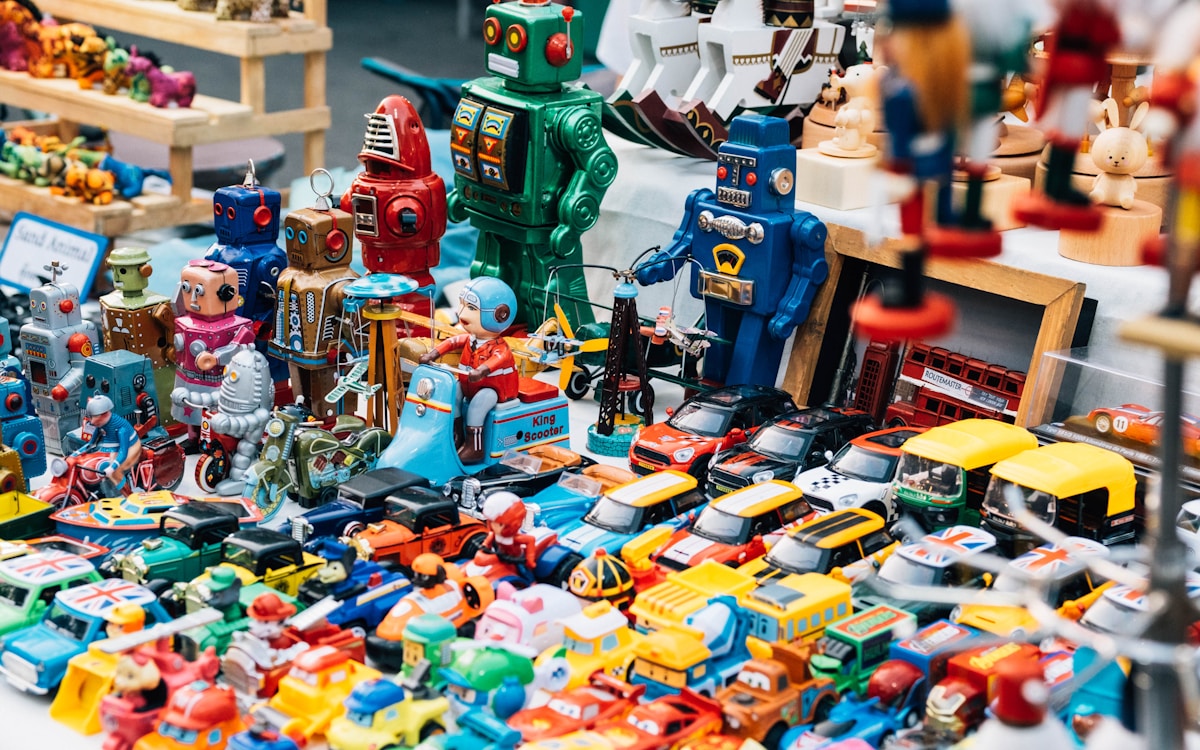
The stuffed animal, the Lego set, the action figure — when a beloved childhood toy is gone, the grief is surprisingly real. Here's how to give it the goodbye it deserves.
When a family heirloom is lost, broken, or sold, it can feel like a rupture in your family's story. Here's how to preserve the meaning even when the object is gone.
Science says our grief for lost objects is real, neurologically measurable, and deeply human. Here's what's actually happening when we mourn a thing.
When something breaks beyond repair, the grief is real — even if others don't understand it. Here's how to honor that loss.
Some objects don't get lost or broken. We give them away. You did the "right" thing—generous, mature, practical. And still… you miss that object.
Maybe your first real "friend" that wasn't alive… was a robot. Not a sci-fi android, but something simpler: a little robot toy, an old talking AI assistant, or a clumsy home robot that kept your spirits up.
We're told not to get attached to "things." But if you've ever lost an object you loved, you know that's not how it feels. It's not just the thing you're grieving—it's the piece of your life that was stored inside it.