
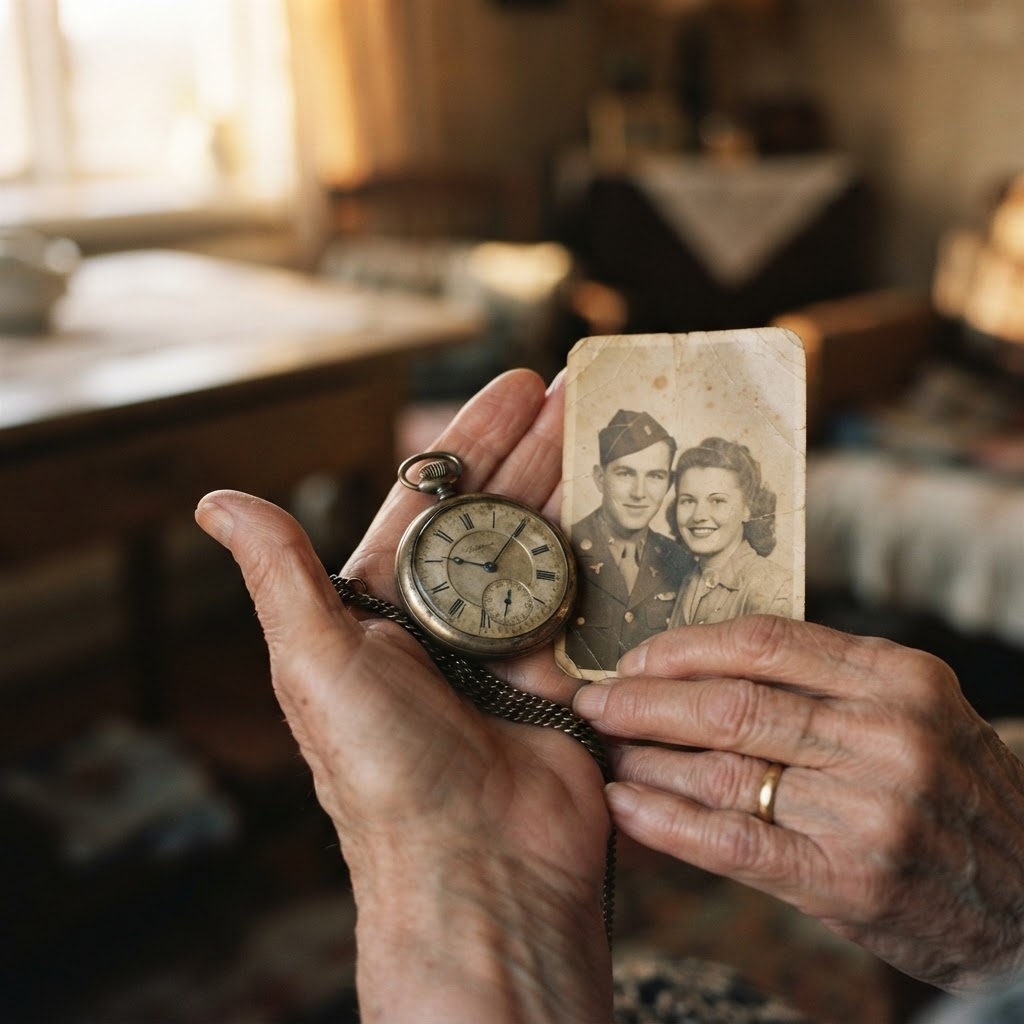
Why Do We Grieve Objects? The Psychology of Sentimental Attachment
Yes, it is completely normal to grieve a lost or broken object. Psychologists have studied the human tendency to form deep emotional attachments to things for decades, and the grief that follows their loss is a recognized, well-documented response — not a sign of misplaced values or immaturity.
If you've ever cried over a broken mug, mourned a lost ring, or felt genuine sadness when an old device finally died, you're not alone, and you're not overreacting. You're experiencing something deeply human.
What Is Sentimental Attachment?
Sentimental attachment is the emotional bond we form with objects that represent people, places, experiences, or periods of our lives. A wedding ring isn't just gold — it's a symbol of a promise. A childhood toy isn't just fabric and stuffing — it's a stand-in for the safety of a certain time. A grandfather's watch isn't just a timepiece — it's a physical connection to a person who is gone.
Psychologists sometimes call this "transitional object" attachment, borrowing a term originally used for the blankets and toys that help young children feel secure. The idea is that we invest objects with emotional meaning, and those objects then carry that meaning for us — sometimes for a lifetime.
Why Do We Get Attached to Objects?
There are several well-established reasons humans form attachments to things:
Objects hold memory. A thing that was present during an important moment absorbs some of that moment's significance. The mug you drank from on the morning of your wedding isn't just a mug — it was there. When you hold it, you hold a small piece of that morning.
Objects represent people. When someone dies, the things they touched become precious because they're the last physical link to their hands. A grandmother's sewing machine, a father's watch, a friend's jacket — these objects carry the trace of the people who loved them. Read this memorial for a grandmother's Singer sewing machine to see how one object can hold three generations of a family.
Objects mark identity. The things we own and use over years become part of who we are. A leather jacket worn for two decades isn't just clothing — it's a record of a life lived in it. Losing it can feel like losing a version of yourself.
Objects provide continuity. In a life that changes constantly — jobs, homes, relationships — the objects that stay with us provide a sense of constancy. They are the witnesses to our lives.
Is It Normal to Grieve an Object?
Yes. Grief over an object is a normal human response to loss. The object represented something — a person, a time, a relationship, a self — and when the object is gone, what it represented is also, in a sense, gone.
The grief can be surprisingly intense. People report feeling sadness, anger, guilt (especially if the loss was accidental), and a persistent sense of absence. These are the same emotions that follow any loss. The fact that the loss is "just a thing" doesn't make the feelings less real.
Why Do Some Objects Matter More Than Others?
Not every lost object causes grief. The ones that do usually share certain qualities:
- They were present for meaningful moments. The object was there when something important happened, and it absorbed some of that significance.
- They were used regularly. Daily use creates a rhythm of interaction that becomes part of life's texture.
- They were connected to a person. The object belonged to, was given by, or was associated with someone significant.
- They cannot be replaced. Even if an identical item exists, this specific item is gone, with its particular wear, marks, and history.
How Can You Process the Loss of an Object?
If you're grieving a lost or broken object, there are a few things that can help:
Acknowledge the loss. Don't dismiss it as trivial. The grief is real, and naming it as grief — not just annoyance or inconvenience — is the first step.
Tell the story. The object had a story. Writing it down, telling it to someone, or creating a memorial for the object can help preserve the meaning even after the physical thing is gone. The Heirlooms & Inheritance collection gathers stories of objects just like yours.
Consider a ritual. Many people find comfort in a small act of closure — keeping a piece of a broken item, holding a memorial, or simply taking a moment to say goodbye.
Allow the grief. Don't rush it. The loss of a meaningful object is a real loss, and it takes time to integrate.
The Objects That Made Us
We are, in part, the things we've loved. The objects we grieve are the objects that shaped us — the ones that were there for the mornings, the milestones, and the ordinary days in between. Grieving them is a way of honoring what they gave us.
If you're carrying the loss of a cherished object, you're not silly, and you're not alone. You're human. And the thing you lost mattered, because you let it matter. That's not a weakness. That's a capacity.

